UK Gambling Commission Eyes Licence Fee Rise and Crypto Regulation in Crackdown on Illegal Markets
4 Mar 2026
UK Gambling Commission Eyes Licence Fee Rise and Crypto Regulation in Crackdown on Illegal Markets

A Pivotal Speech at the BGC AGM
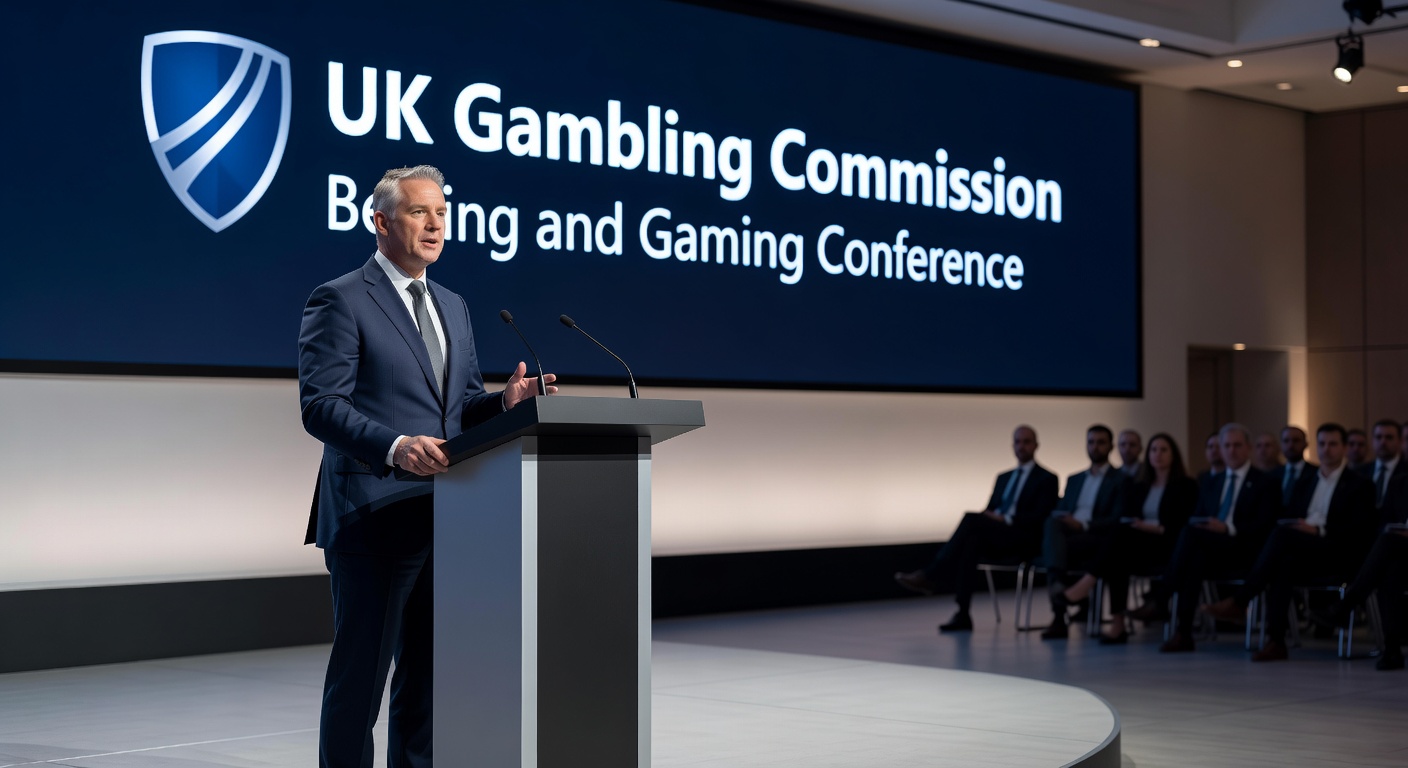
Tim Miller, Executive Director of the UK Gambling Commission (UKGC), took the stage at the Betting and Gaming Council (BGC) Annual General Meeting on February 26, 2026, in the UK, where he laid out bold moves to reshape the industry's regulatory landscape; attendees heard announcements on licence fee adjustments, fresh funding to tackle illegal operators, and hints at bringing cryptocurrencies into the regulated fold, all while the Gambling Act undergoes sweeping reforms. What's interesting is how these revelations landed just as industry stakeholders grapple with rising threats from offshore and unregulated sites, especially now in March 2026 when enforcement discussions ramp up across London boardrooms and Westminster corridors.
Experts who've tracked UK gambling policy for years note that Miller's address, delivered to BGC members including major operators like Entain and Flutter, signals a proactive stance; the UKGC, responsible for licensing and consumer protection, aims to bolster its toolkit amid data showing illegal gambling siphoning billions from the legal market annually. And while the speech focused on immediate actions, observers point out its timing aligns with broader government priorities on financial integrity, particularly as crypto usage surges among younger bettors.
Licence Fees Set for Review and Increase
The core of Miller's message centered on a forthcoming review of gambling licence fees, proposing a jump from the current 0.21% to 0.28% of Gross Gambling Yield (GGY), a metric that captures total stakes minus winnings across operators' activities; this adjustment, detailed in the speech, promises to generate additional revenue for regulatory oversight without overhauling the entire fee structure overnight. Operators, who pay these fees based on their GGY bands, will see the change phased in, according to UKGC outlines, ensuring predictability even as costs climb.
Take the case of a mid-tier online casino operator with £500 million in annual GGY; under the old rate, fees hit about £1.05 million, but the new 0.28% pushes that to £1.4 million, funds that loop back into compliance checks and player safeguards. Researchers analyzing similar past hikes, such as those in 2020, found they funded 20% more inspections without stifling growth, and that's the pattern here too, with Miller emphasizing sustainability for both regulator and industry.
But here's the thing: this isn't happening in a vacuum; as of March 2026, the BGC has voiced support for fee reforms that match enforcement needs, arguing that stronger regulation keeps the playing field level against black-market rivals who dodge fees entirely.
£26 Million Boost to Fight Illegal Gambling
Miller didn't stop at fees; he revealed a £26 million allocation from HM Treasury, spread over three years, earmarked specifically for ramping up enforcement against the illegal gambling market through targeted operations and collaborations with tech giants like Meta. Platforms such as Facebook and Instagram, hotspots for illicit betting ads, now face heightened scrutiny, with UKGC teams partnering on AI-driven detection tools that flag rogue promotions in real time.
Figures reveal the scale of the problem: illegal sites, often hosted offshore and accepting crypto anonymously, captured an estimated £1.5 billion in UK player spend last year alone, per industry reports, and this funding aims to disrupt that by boosting prosecutions, site blocks, and payment disruptions. One notable example involves recent takedowns where Meta's data-sharing led to 50+ illegal operator bans in under six months; experts observe that's where the rubber meets the road, turning tech partnerships into tangible wins for legal operators.
So, with the money flowing from April 2026, enforcement squads expand, hiring specialists in cyber forensics while coordinating with payment providers to freeze illicit flows, a strategy that's already shown promise in pilot programs across Europe.
Cryptocurrencies on the Horizon for Regulated Payments
Turning to innovation, Miller indicated potential regulated integration of cryptocurrencies as payment methods, a move designed to shield consumers and steer players toward licensed venues rather than shadowy crypto casinos; amid rising Bitcoin and stablecoin use in betting, the UKGC eyes frameworks that mandate operator licensing for crypto transactions, complete with anti-money laundering checks. This aligns with ongoing Gambling Act reforms, where lawmakers debate white paper proposals from 2023 that flagged crypto as both opportunity and risk.
People who've studied crypto gambling trends note that unregulated platforms lure UK punters with zero verification and high odds, but regulated crypto could flip that script; imagine depositing Ethereum at a Bet365-like site, with all wins taxed and protected under UK law, a scenario Miller hinted at to keep revenue onshore. Data from Chainalysis shows crypto gambling volumes hit £10 billion globally in 2025, with the UK slice growing 30% year-over-year, underscoring the urgency.
Yet, implementation hinges on tech standards and consumer education campaigns, efforts that gain momentum as March 2026 consultations unfold with fintech firms and the BGC.
Broader Context: Reforms and Leadership Transition
These announcements unfold against a backdrop of transformative Gambling Act reforms, spurred by a 2023 government white paper that promises stake limits, affordability checks, and stricter ad rules; Miller's speech comes as secondary legislation drafts circulate, with full enactment eyed for late 2026. Compounding the flux, UKGC Chief Executive Andrew Rhodes departs on April 30, 2026, after steering the organization through pandemic recoveries and safer gambling initiatives, leaving a vacancy that recruitment panels now fill amid high stakes.
Observers who've followed Rhodes' tenure highlight his push for data-led regulation, which laid groundwork for crypto and enforcement pushes; those in the know say his exit, after five years, prompts questions on continuity, although Miller stressed team stability during the BGC event. It's noteworthy that BGC leaders, fresh from their AGM, pledged cooperation on reforms, viewing fee hikes and funding as shared investments in a thriving market.
And now, in early March 2026, stakeholder feedback pours in on fee proposals via UKGC portals, while Treasury officials brief MPs on the £26 million's impact metrics, keeping the momentum alive.
What This Means for Operators and Players
For operators, the fee increase means tighter budgeting, yet offset by illegal market shrinkage that preserves GGY shares; smaller firms, banded by GGY tiers, face proportional hits but gain from enforcement leveling the odds. Players benefit most directly, as crypto regulation promises safer deposit options minus the offshore pitfalls like frozen withdrawals or rigged games that plague illicit sites.
Case in point: a 2025 UKGC survey found 15% of bettors tried crypto sites, with 40% reporting issues; regulated paths could slash that, funneling activity legal while tech partnerships scrub social media lures. That's the reality, with industry forecasts predicting a 5-7% legal market growth by 2028 if these measures stick.
Looking Ahead
Miller's BGC speech marks a turning point, blending fee realism, enforcement muscle, and crypto foresight into a cohesive strategy that fortifies the UK's gambling ecosystem; as reforms advance and Rhodes' successor steps up, the sector watches closely, especially with March 2026 bringing fee review deadlines and partnership rollouts. Stakeholders from BGC halls to Treasury offices align on one truth: a robust legal market thrives when illegal shadows recede, paving the way for innovation under watchful regulation.