23 Aug 2026
Unified Rewards Platforms Linking Slot Machines with Sports Wagering in Controlled Gambling Environments

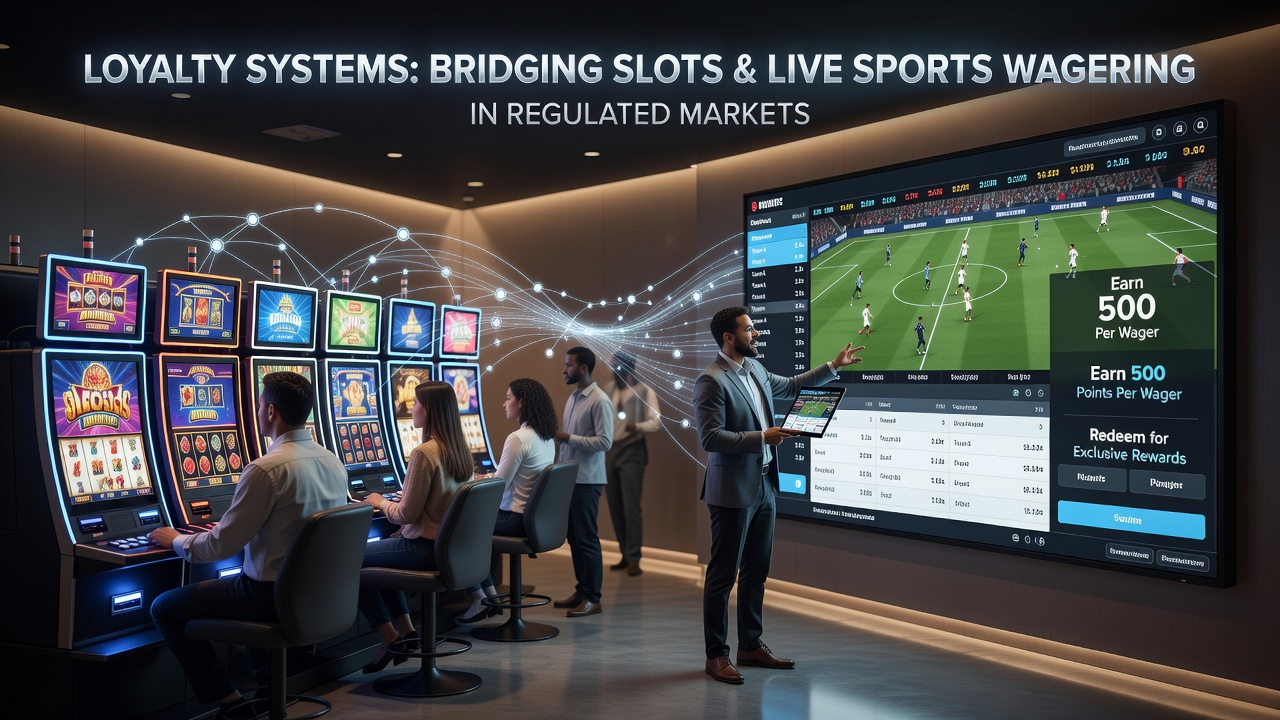
Operators in regulated markets have developed unified loyalty platforms that allow players to earn and redeem points across slot machines and live sports wagering without separate accounts or fragmented tracking. These systems rely on centralized player databases that record activity from both verticals in real time, creating a single rewards profile that updates as users move between games. Data from multiple jurisdictions shows this integration increases session length and cross-product engagement because participants see accumulated value in one place rather than isolated ledgers.
Core Mechanics of Cross-Vertical Point Accumulation
Points accrue through weighted formulas that assign different values to slot spins versus sports wagers, often calibrated to regulatory requirements on promotional spend. A player placing a $50 sports bet might receive the same point total as 500 slot spins, depending on the operator's risk model and local rules. This structure prevents any single product from dominating the loyalty economy while still encouraging movement between categories. In markets such as New Jersey and Pennsylvania, these calculations undergo review by state gaming control boards to confirm compliance with advertising and bonus disclosure standards.
Redemption options typically include free spins, bonus bets, or merchandise that draw from the combined point balance. One Australian operator implemented a tiered system where higher loyalty levels unlock exclusive live sports odds or slot tournament entries, with progress tracked through a unified mobile application that pulls data from both casino floors and online sportsbooks.
Regulatory Compliance Across Jurisdictions
Controlled environments impose strict rules on how loyalty data can be shared between gaming products. Operators must maintain audit trails that separate promotional activity from taxable gaming revenue, a requirement enforced by bodies including the Nevada Gaming Control Board and state commissions in the United States. Systems built for this purpose use modular software architecture that tags each transaction with its originating product while still feeding into a master loyalty ledger. This design allows regulators to examine individual verticals without disrupting the overall rewards experience.
August 2026 marked the rollout of updated technical standards in several Canadian provinces that require real-time reporting of cross-product loyalty redemptions. These rules aim to prevent bonus stacking that could circumvent deposit limits, and early compliance reports indicate most major operators adjusted their platforms months ahead of the deadline through API integrations with provincial monitoring systems.
Technology Infrastructure Supporting Integration
Modern loyalty engines sit on top of existing casino management systems and sportsbook platforms, pulling event data through secure APIs rather than replacing core wagering software. This approach reduces implementation costs and speeds deployment timelines, which matters in fast-changing regulatory landscapes. Machine learning models analyze play patterns to adjust point multipliers dynamically, though operators must document these adjustments to satisfy responsible gambling audits that examine whether promotions target vulnerable accounts.
Third-party vendors supply the middleware that synchronizes timestamps and player identifiers across land-based slot floors and mobile sports betting applications. One study conducted by researchers at the University of Nevada, Las Vegas examined five operators using such middleware and found average cross-vertical redemption rates rose 18 percent within six months of launch, according to anonymized transaction records provided by participating companies.
Player Behavior Patterns in Integrated Systems
Transaction logs from regulated operators reveal that participants who engage with both slots and sports wagering within the same loyalty framework tend to maintain accounts longer than single-product users. The continuous feedback loop created by visible point totals across activities appears to sustain interest, particularly when operators introduce time-limited multipliers that apply to either vertical. Observers note that these patterns hold across different regulatory regimes, from European online markets to North American state-licensed environments.
Case examples include a European operator that linked live dealer table play with sports event betting through shared loyalty tiers, resulting in measurable increases in both product categories during major sporting tournaments. Similar results emerged in Australian data where daily fantasy sports elements were folded into the same rewards structure as traditional slot sessions.
Conclusion
Loyalty systems that connect slot machines and live sports wagering continue to expand in regulated markets as operators refine the technical and compliance frameworks needed to support unified player profiles. The emphasis remains on accurate tracking, transparent rules, and adherence to jurisdiction-specific reporting requirements that protect both participants and tax revenues. As additional regions update their technical standards, these integrated platforms are likely to become standard infrastructure rather than optional features.