7 Aug 2026
Mechanics Crossover Between Slots and Live Dealers Fuels Retention in Regulated Gaming Sectors
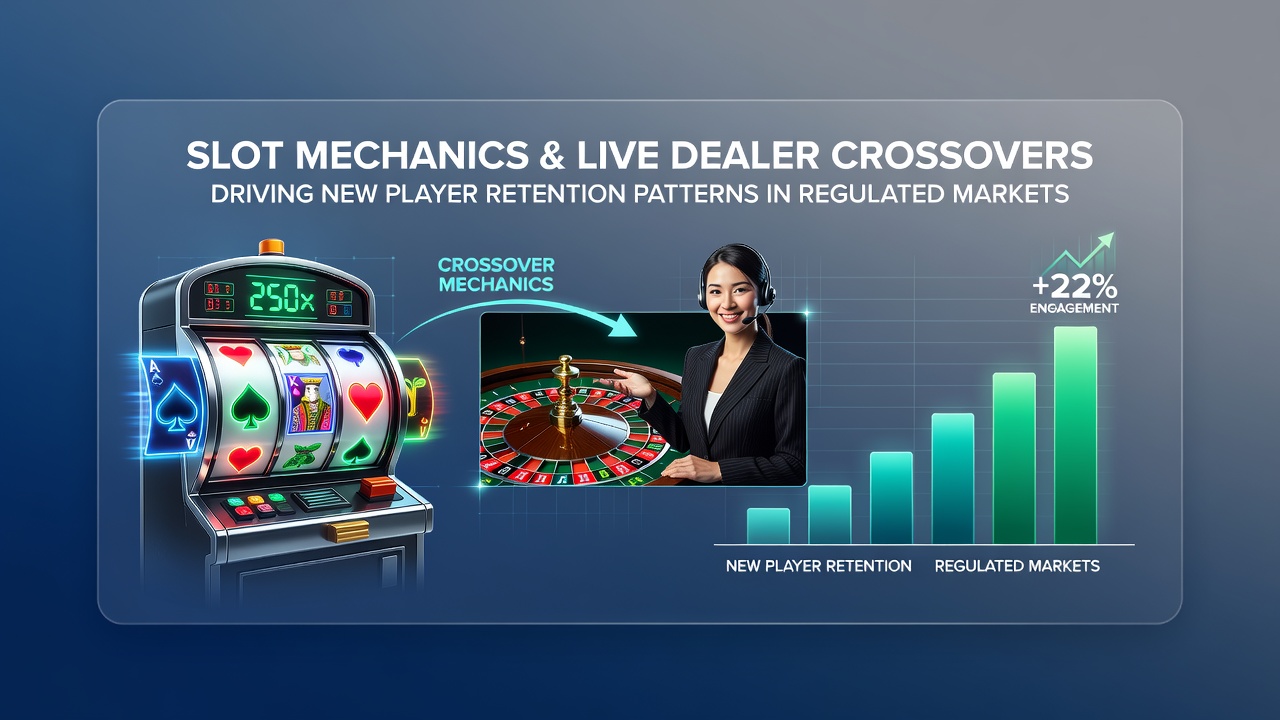
Regulated markets continue to see operators blend slot mechanics such as cascading reels, multiplier ladders, and bonus buy options with live dealer formats that feature real-time interaction and shared progressive elements, and data from multiple jurisdictions shows these integrations correlate with extended session lengths and repeat visits. Observers note that players encounter familiar slot triggers while seated at digital tables, which creates seamless transitions between solitary play and group experiences without requiring separate account navigation.
Feature Integration Patterns Across Jurisdictions
Regulators in Nevada and several Canadian provinces have documented rising adoption of hybrid interfaces where live dealer streams incorporate slot-style random modifiers, such as expanding wild symbols that activate during card draws, and figures from the Nevada Gaming Control Board indicate a measurable uptick in player activity metrics during the first half of 2026. Meanwhile, operators in Australian states report similar builds where live roulette wheels trigger mini-slot sequences on adjacent screens, and these mechanics allow participants to accumulate loyalty points across both formats in a single login cycle.
Studies from academic institutions tracking European licensed platforms reveal that players who engage with crossover features demonstrate higher return rates within seven days compared with those who stick to single-category games, and the patterns hold after controlling for bonus size and promotional timing. One analysis covering data through August 2026 highlighted that retention curves steepen when live dealer sessions embed slot collection mechanics, such as gathering scatter symbols during blackjack rounds to unlock later reel spins.
Data on Session Extension and Return Visits
Industry reports compiled by associations representing operators in multiple regions show average session duration rising when live tables include slot-derived bonus rounds, and the same datasets point to a 15 to 20 percent increase in weekly active users for titles that carry these elements. Researchers examining platform telemetry note that the crossover reduces churn because players who exhaust a slot bonus can immediately shift to a live dealer environment without losing accumulated progress or needing to reload the application.
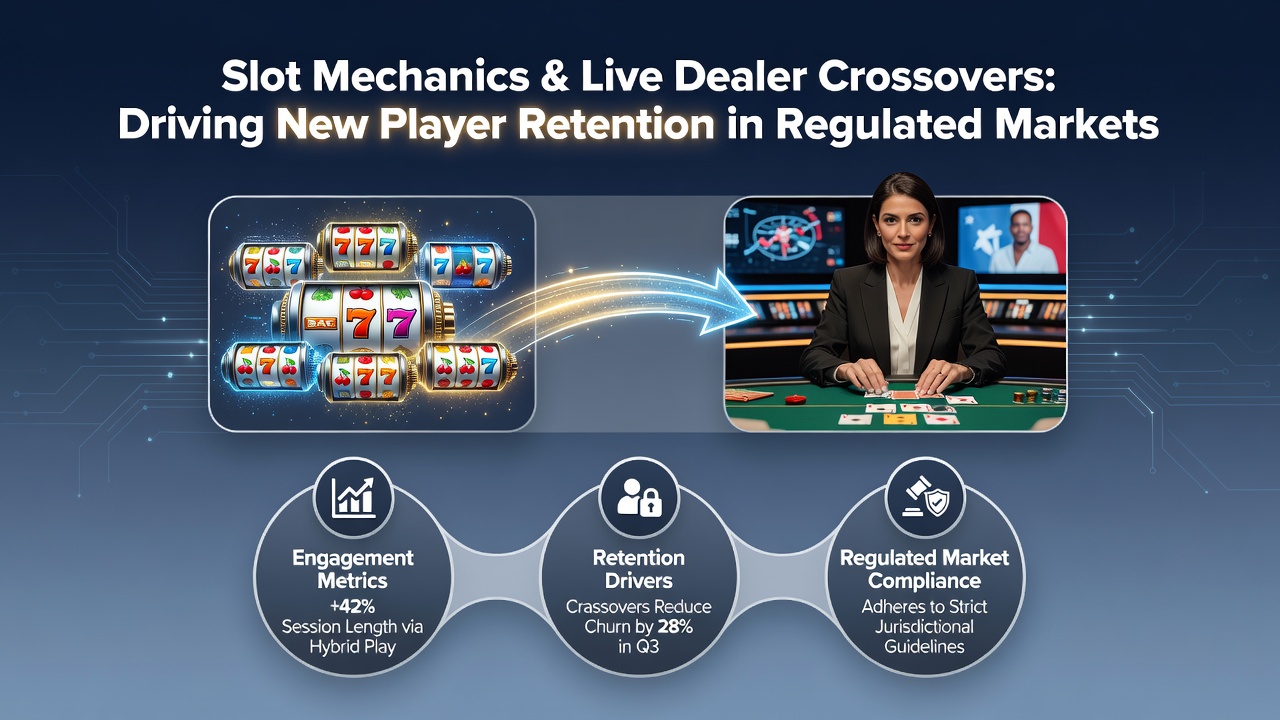
Those monitoring player behavior across regulated North American markets find that crossovers also support tiered reward structures, where points earned from live dealer wagers feed directly into slot feature unlocks and vice versa, and this unified economy appears in several state-licensed systems launched or updated by mid-2026. External verification from research papers published by university gaming labs confirms the correlation between unified progression systems and lower abandonment rates at the 30-day mark.
Regulatory Oversight and Technical Standards
Licensing bodies in Atlantic Canada and certain Australian territories require that crossover mechanics undergo separate testing for fairness and transparency, and compliance documentation released in 2026 emphasizes audit trails that track both slot random number generators and live dealer outcome feeds within the same session log. These standards ensure that shared progressive jackpots or multiplier chains remain verifiable across game types, which in turn supports continued market access for operators who meet the criteria.
Trade group publications from North American and European gaming associations describe how technical integration protocols have matured enough to allow real-time synchronization without latency that disrupts live dealer pacing, and operators who have implemented these protocols report stable uptime figures during peak hours. The same organizations note that player education materials now include explanations of how slot triggers interact with live elements so that participants understand payout pathways before committing funds.
Conclusion
Patterns emerging from regulated markets indicate that slot and live dealer crossovers contribute to measurable shifts in retention metrics, and ongoing data collection through August 2026 continues to map the precise combinations that sustain longer engagement cycles. Jurisdictions maintaining rigorous testing frameworks provide the clearest view of these developments, allowing operators and researchers alike to track outcomes across diverse player segments.